Restoring Blood Flow Through Narrowed Coronary Arteries
Coronary angioplasty, also known as percutaneous coronary intervention (PCI), is a catheter-based procedure used to treat selected narrowed or blocked coronary arteries.
The aim of the procedure is to improve blood flow through the affected artery. Dr. Rohan Ainchwar provides coronary angioplasty as part of his interventional cardiology practice.
How Is Angioplasty Performed?
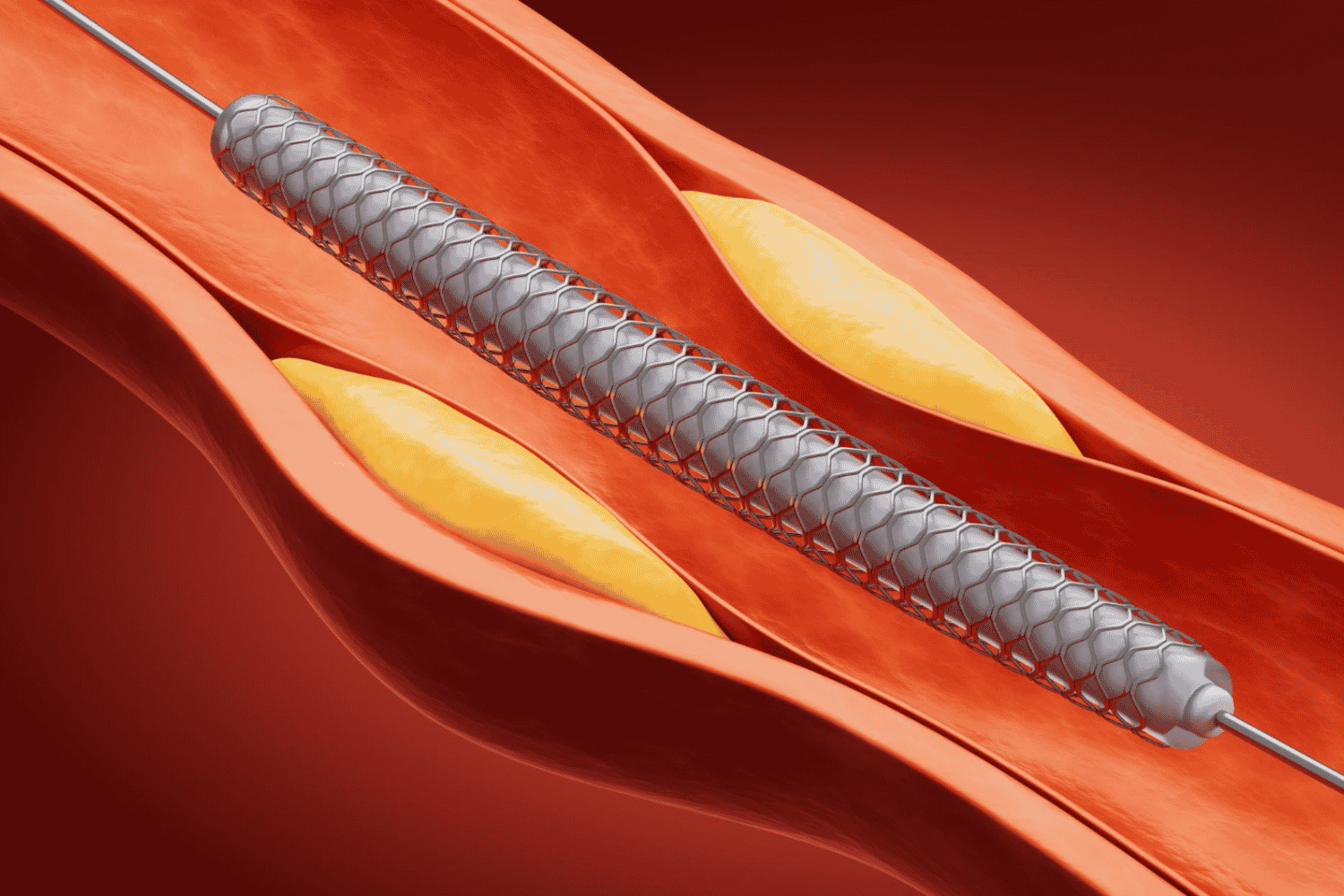
A catheter is introduced through a blood vessel and guided toward the affected coronary artery. A small balloon is positioned across the narrowed segment and expanded to help open the artery.
Depending on the clinical situation, a coronary stent may be placed to support the treated segment and maintain blood flow.
When May Angioplasty Be Considered?
Angioplasty may be considered for selected patients with significant coronary artery narrowing or blockage. The decision depends on factors such as:
- Symptoms and severity
- Location of the blockage
- Number of vessels involved
- Results of coronary angiography
- Overall cardiac condition
- Other medical conditions
Advanced Angioplasty Techniques
Some coronary blockages are more complex than others and may require additional techniques or technologies. Dr. Ainchwar’s listed cardiac services include left main angioplasty, bifurcation angioplasty, rotablation and intravascular lithotripsy (IVL) for selected complex coronary interventions.
His services also include stentless angioplasty and absorbable scaffold implantation, where clinically appropriate.
Coronary Imaging and Physiology
Advanced technologies such as IVUS, FFR and iFR may be used in selected cases to obtain additional information about coronary arteries and guide treatment decisions.
Care Beyond the Procedure
Angioplasty is one component of coronary artery disease management. Continued medical treatment, risk-factor management and regular cardiac follow-up may remain important after the procedure.
Treatment recommendations are individualized according to angiographic findings and each patient’s clinical condition.