Comprehensive Evaluation of Heart Health
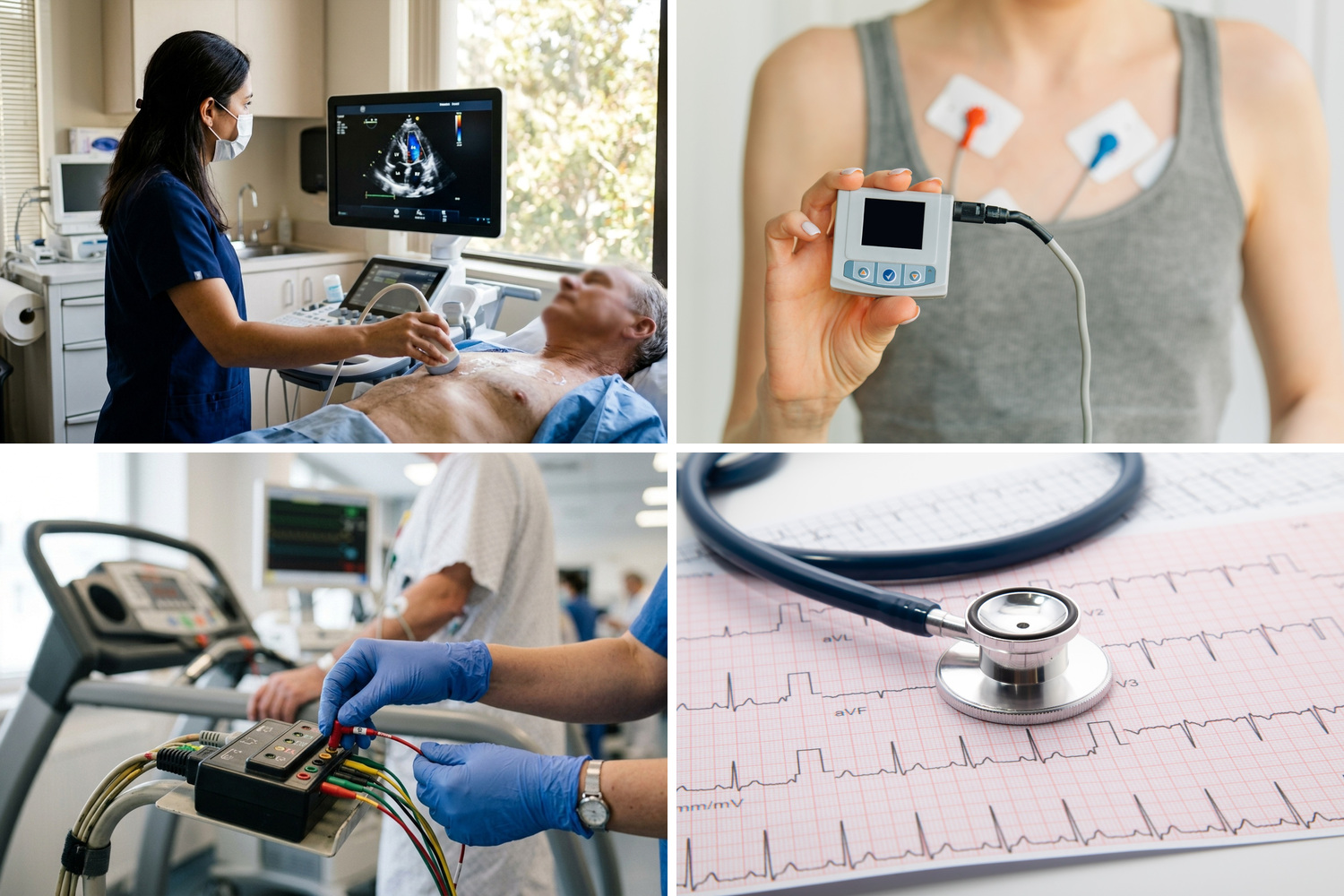
Cardiac diagnostic tests play an important role in identifying heart rhythm abnormalities, evaluating symptoms and understanding how the heart responds during normal activity and physical exertion. Dr. Rohan Ainchwar provides cardiac evaluation using diagnostic investigations such as Computerised ECG, TMT and Holter monitoring, depending on the patient’s symptoms and clinical requirements.
These investigations may be recommended for patients experiencing chest discomfort, palpitations, unexplained breathlessness, dizziness, fatigue or other symptoms that could be associated with cardiovascular conditions.
Computerised ECG
An Electrocardiogram (ECG) records the electrical activity of the heart. It can provide useful information about heart rate and rhythm and may help identify certain abnormalities requiring further cardiac evaluation.
The test is generally quick and non-invasive, with electrodes placed on the chest and other areas of the body to record electrical signals from the heart.
TMT – Treadmill Test
A Treadmill Test (TMT) evaluates the heart while the patient exercises under controlled conditions. Heart rate, rhythm and other parameters are monitored as the level of physical activity gradually increases.
It may be used as part of the assessment of symptoms or suspected coronary artery disease and can provide information about how the heart responds to physical exertion.
Holter Monitoring
A Holter study provides continuous recording of the heart’s electrical activity over an extended period while the patient continues normal daily activities. It can be particularly useful when symptoms such as palpitations or intermittent rhythm abnormalities do not occur during a routine ECG.
When May Cardiac Testing Be Recommended?
Evaluation may be considered for:
- Chest discomfort or pressure
- Palpitations or irregular heartbeat
- Unexplained breathlessness
- Dizziness or fainting
- Cardiovascular risk assessment
- Monitoring of known heart conditions
The appropriate investigation is selected after clinical assessment, helping guide further evaluation and treatment where required.