Renal Angiography and Angioplasty
The renal arteries supply blood to the kidneys. In selected clinical situations, narrowing or blockage affecting these arteries may require detailed vascular evaluation.
Dr. Rohan Ainchwar provides Renal Angiography and Renal Angioplasty as part of his catheter-based vascular intervention services.
Renal Angiography
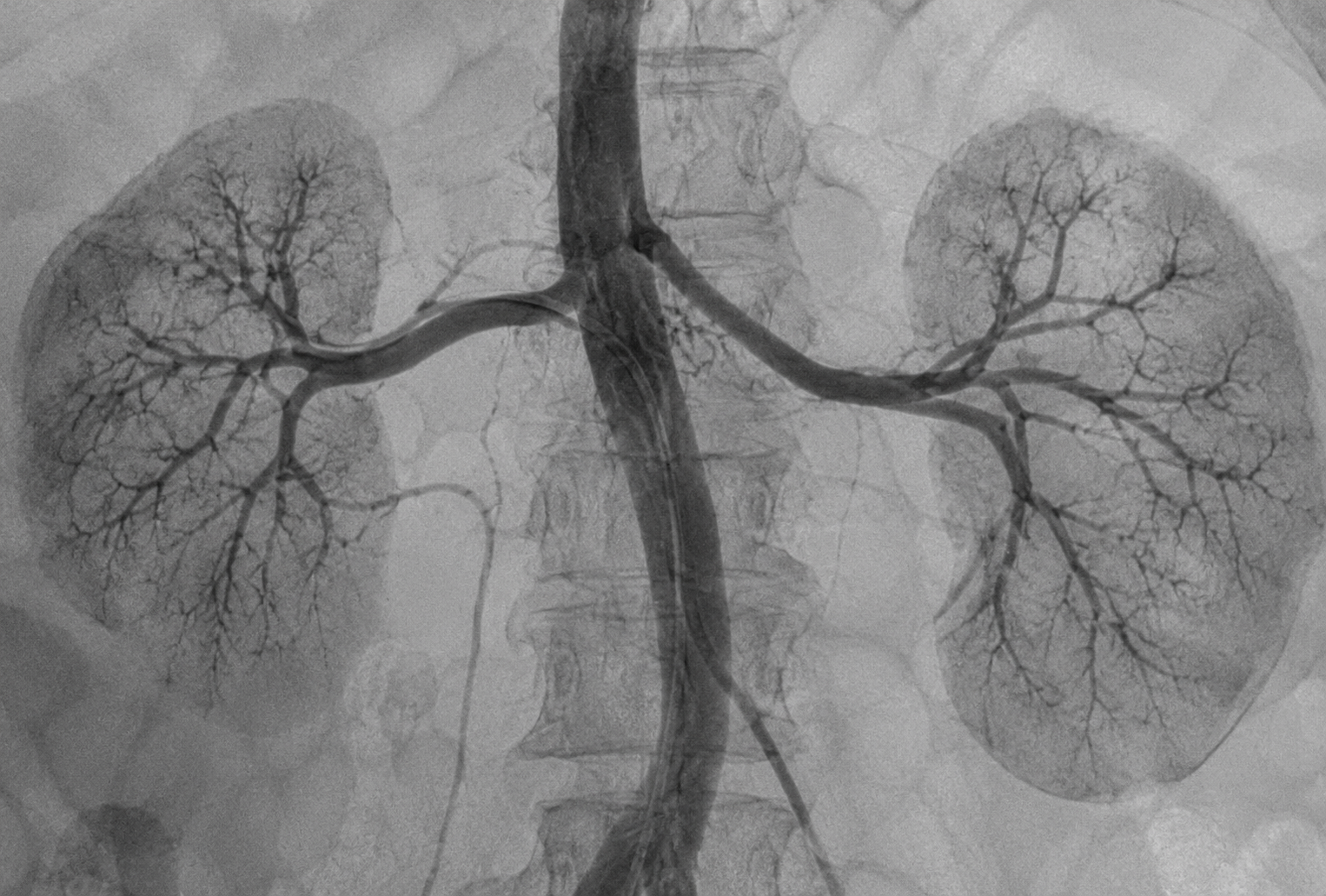
Renal angiography is used to visualize the arteries supplying the kidneys.
A thin catheter is introduced into the vascular system and guided toward the renal arteries. Contrast material is then used with X-ray imaging to provide detailed visualization of the vessels.
The investigation can help determine:
- Whether narrowing is present
- Location of the abnormality
- Severity of narrowing
- Extent of renal artery involvement
- Whether an interventional procedure may be appropriate
Renal Angioplasty
In selected patients, renal angioplasty may be considered to treat significant narrowing of a renal artery.
A balloon catheter is positioned at the affected segment and expanded to help widen the vessel.
The exact treatment approach depends on the vascular anatomy and individual clinical circumstances.
Careful Patient Selection
Identification of renal artery narrowing does not automatically mean angioplasty is necessary.
Treatment planning considers the patient’s clinical condition, severity and characteristics of the narrowing, investigation findings and other relevant medical factors.
Management may involve continued medical therapy, monitoring or catheter-based intervention depending on the individual case.
Integrated Vascular Care
Dr. Ainchwar’s interventional services include coronary, peripheral and renal vascular procedures. This allows renal artery abnormalities to be evaluated within the broader context of cardiovascular disease.
Appropriate follow-up remains important after evaluation or intervention to monitor the patient’s cardiovascular and overall clinical condition.